Tours PH | A Glimpse Inside the Forbidden City | Like the Great Wall, the Forbidden City in Beijing is one of the top places to visit in China. The sprawling complex dates from the 14th and 15th centuries and is a spectacular example of historical China.
Over the centuries, the palace has housed 24 Ming and Qing Emperors. Inside the city, the Palace Museum holds over 340,000 artifacts showcasing the treasures of China’s dynasties.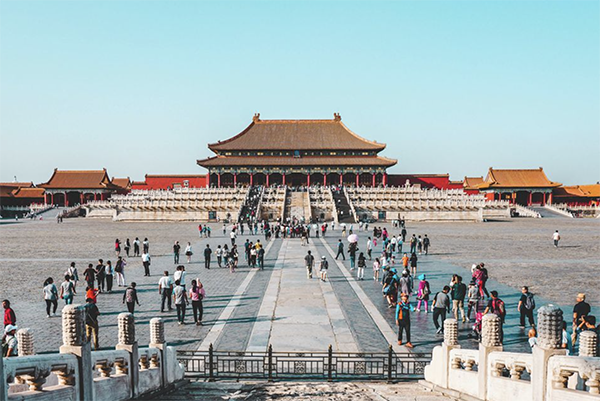
The Forbidden City is actually not forbidden now.
During the Ming and Qing dynasties, the Forbidden City was forbidden for commoners and only opened for imperial families and government officials who were invited. Now, it’s open for all as a tourist attraction.
It was the home for emperors and their families since its establishment. When Puyi, the last emperor in China’s history was expelled from the Forbidden City in 1924 after his abdication, it was no longer the royal residence.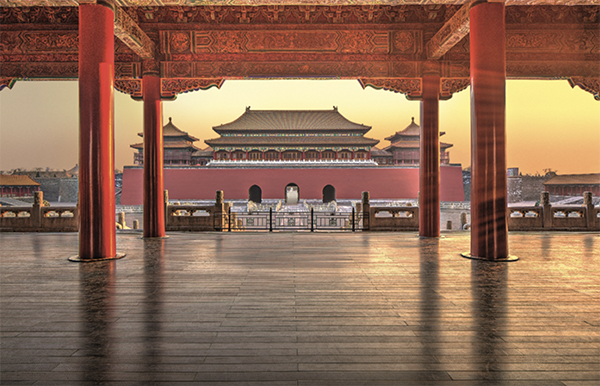
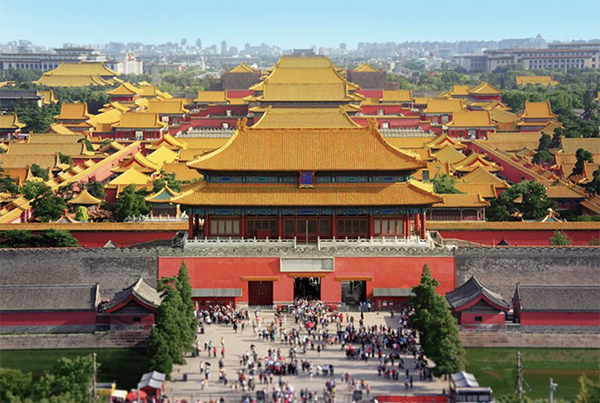
Yellow and red are the dominant colors in the Forbidden City.
The most prominent color scheme is represented by the red walls and yellow roof tiles.
Yellow symbolizes earth elements at the center. The emperor assumes that the imperial palace is at the world’s center and his reign radiates out from it.
Hence, yellow is associated with the emperors’ imperial dictum. Pillars, windows, doors and walls are mostly red which symbolizes auspicious events, happiness and celebrations, popular with the Chinese in daily usage.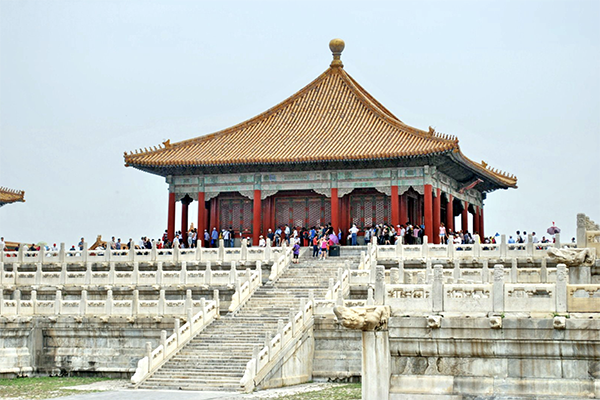
The Forbidden City is divided into the Outer Court and Inner Court.
The Outer Court and Inner Court are architecturally different. Emperors had absolute godly power and held solemn public ceremonies in the Outer Court.
The buildings here look solemn and grand. In contrast with the Outer Court, the Inner Court was where emperors enjoyed domestic bliss and did mundane tasks. The architectural styles are less formal with gardens and courtyards.
Apart from the halls and palaces along the central axis, there are buildings on the two sides to accommodate lesser nobles.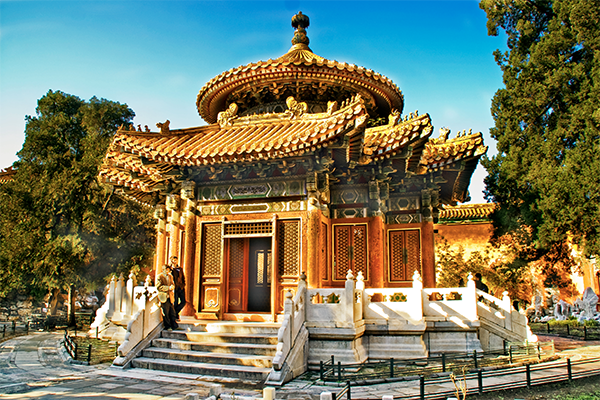
There are no trees in the Outer Court.
The Hall of Supreme Harmony, the Hall of Central Harmony, and the Hall of Preserved Harmony in the Outer Court are the prime structures for holding important rites and events.
To show the imperial dignity and supreme authority, it was forbidden to plant trees around these halls. In fact, it was not permitted to plant trees along the imperial pavement from the Tiananmen Gate to the Meridian Gate either.
All the trees you see today are from a more recent era. None has passed down from the times of monarchy.
Many gates are decorated with 9 rows of doornails.
Many gates inside the imperial city, especially the huge red gates of the major structures, are decorated with gilded doornails.
If you study them carefully, you will find that most of the gates have nine rows of doornails and each row consists of nine. Why? That’s because nine implied supremacy in monarchist China and reserved for the emperor’s use.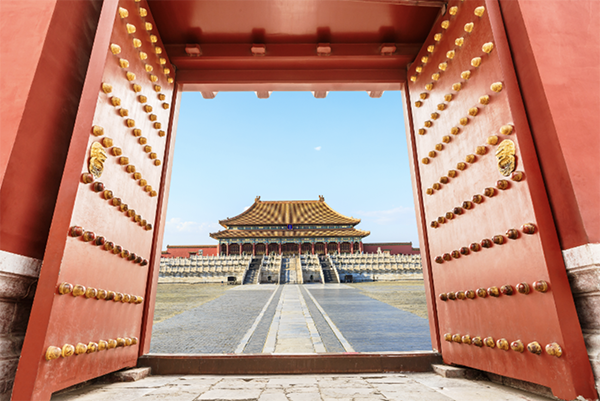
Other fun facts about the Forbidden City
It became part of the UNESCO World Heritage List in 1987. And it is among the top 5 buildings in the world: The others are the Versailles Palace in France, the Buckingham Palace in Britain, the White House in America, and the Kremlin Palace in Russia.
It is also one of the most visited museums in the world, with about 15 million visitors every year. It houses nearly 1 million cultural relics, including paintings, calligraphy, jade, embroidery, lacquer wares, pottery, etc. And it is the largest and best-preserved palace complex in the world.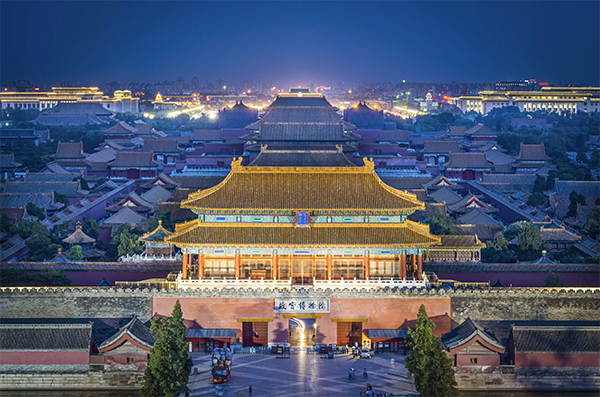
I hope you enjoyed our short feature of The Forbidden City in Beijing, China. Where do you want to go next time? Reply to this email and tell us.
In the meantime, take care and stay safe.